Blog Post

The Power of Branding: How to Build a Strong Brand Identity

Introduction

In today’s competitive marketplace, having a strong brand identity is crucial for any business looking to stand out, build customer loyalty, and create a lasting impression. Branding is more than just a logo or a catchy slogan; it’s the overall perception of a company in the minds of consumers. It includes the visual identity, messaging, values, and emotional connection a brand establishes with its audience.

A powerful brand identity helps businesses attract and retain customers, differentiate themselves from competitors, and create trust in the market. Whether you are launching a new brand or looking to strengthen an existing one, understanding how to build a compelling brand identity is essential. This blog explores the key elements of branding and provides actionable steps to help you establish a strong brand presence.


What is Branding?

Branding is the process of creating a unique and recognizable identity for a business. It encompasses everything from the company’s visual aesthetics, such as the logo and color scheme, to its voice, values, and the way it interacts with customers. A strong brand identity gives businesses a competitive edge by fostering customer recognition, trust, and loyalty.

Successful branding is not just about looking good—it’s about creating a consistent and meaningful experience that resonates with your target audience. When done right, branding can influence purchasing decisions, build emotional connections, and even turn customers into brand advocates.


Key Elements of a Strong Brand Identity

1. Brand Purpose and Values

Every successful brand is built on a strong foundation of purpose and values. Your brand purpose defines why your business exists beyond making a profit, while your values shape your company’s culture and decision-making. Businesses with a clear purpose and authentic values attract like-minded customers who connect with the brand on a deeper level.

2. Unique Brand Personality

Just like people, brands have personalities that define their tone, style, and communication. Some brands are fun and playful, while others are serious and professional. Your brand personality should align with your target audience’s preferences and be reflected in all aspects of your marketing.

3. Consistent Visual Identity

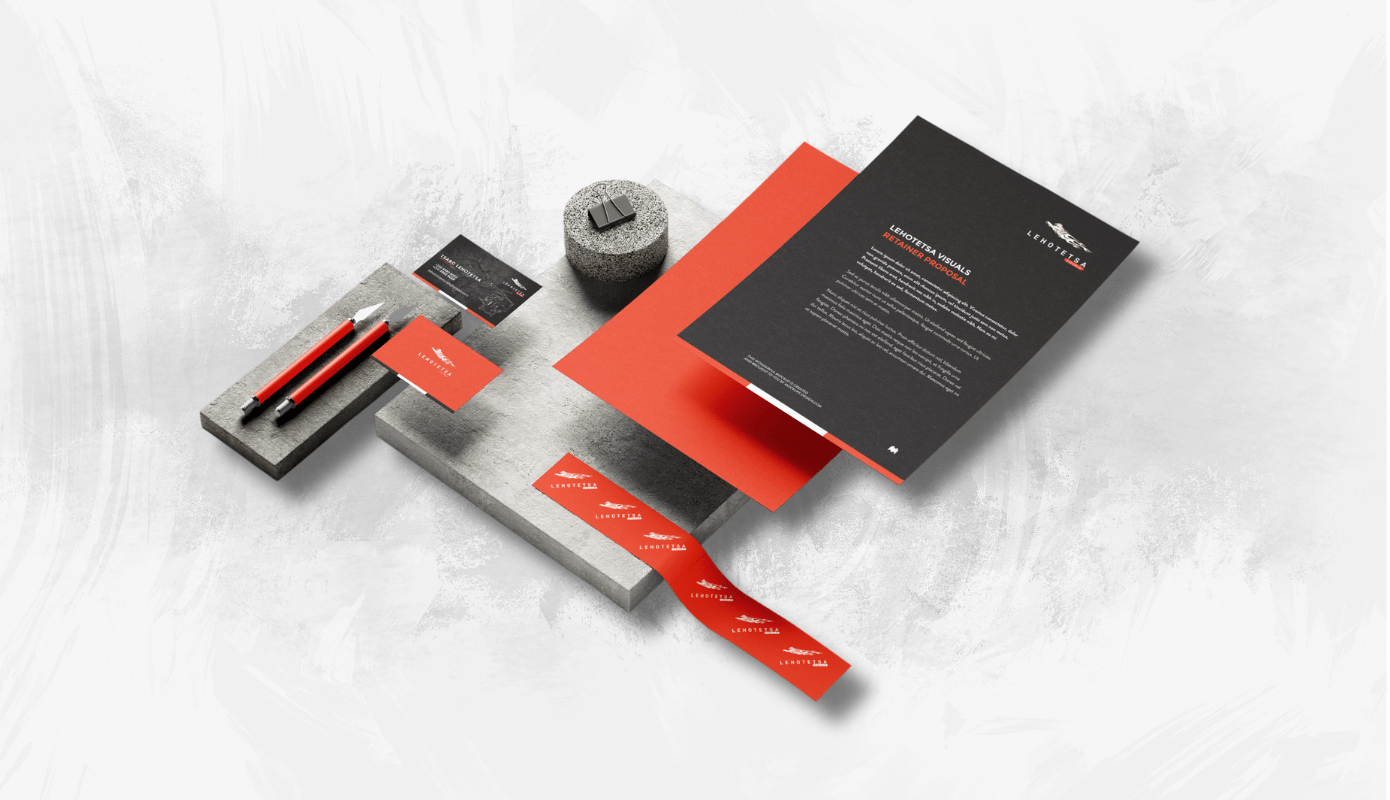
Your visual identity is what people see first when they encounter your brand. It includes your logo, typography, color palette, and imagery. A well-designed visual identity ensures brand recognition and consistency across all marketing channels.

4. Clear Brand Messaging

Your messaging defines how you communicate with your audience. It includes your tagline, mission statement, and brand story. Consistent messaging helps create a strong brand voice that resonates with customers and reinforces your company’s values.

5. Emotional Connection

Successful brands evoke emotions that make them memorable. Whether it’s excitement, trust, or nostalgia, creating an emotional connection with customers strengthens brand loyalty. Brands that tell compelling stories and focus on customer experiences build lasting relationships.


How to Build a Strong Brand Identity

1. Define Your Brand’s Purpose

Your brand purpose is the core reason your business exists beyond making money. Ask yourself:

  • What problem does my business solve?
  • What impact do I want to make in the industry?
  • What values drive my company?

Companies like Apple, Nike, and Tesla have strong brand purposes that guide their marketing efforts and connect with consumers on a deeper level.

2. Understand Your Target Audience

A successful brand identity is built with the target audience in mind. Research your ideal customers and understand their needs, preferences, and behaviors. Consider factors such as:

  • Demographics (age, gender, location)
  • Psychographics (lifestyle, values, interests)
  • Buying habits and pain points

Knowing your audience helps tailor your brand messaging and visuals to appeal to the right people.

3. Design a Memorable Visual Identity

Your visual identity is what makes your brand recognizable. Invest in professional graphic design to create a cohesive look and feel. Key components include:

  • Logo: A simple yet powerful symbol that represents your brand.
  • Color Palette: Colors evoke emotions and associations. Choose colors that reflect your brand personality.
  • Typography: Fonts should be easy to read and align with your brand’s tone.
  • Imagery: High-quality visuals reinforce your brand identity across all marketing materials.

4. Develop a Strong Brand Voice and Messaging

Your brand voice reflects your company’s personality and should be consistent across all platforms. Whether you use a formal, conversational, or playful tone, ensure it aligns with your brand’s identity. Craft a compelling brand story that explains who you are, what you stand for, and how you help customers.

5. Create a Consistent Customer Experience

Branding goes beyond visuals and messaging—it’s also about the experience customers have with your business. Ensure consistency in customer interactions, whether online, in-store, or through customer service. Every touchpoint should reflect your brand’s values and promise.

6. Utilize Social Media and Content Marketing

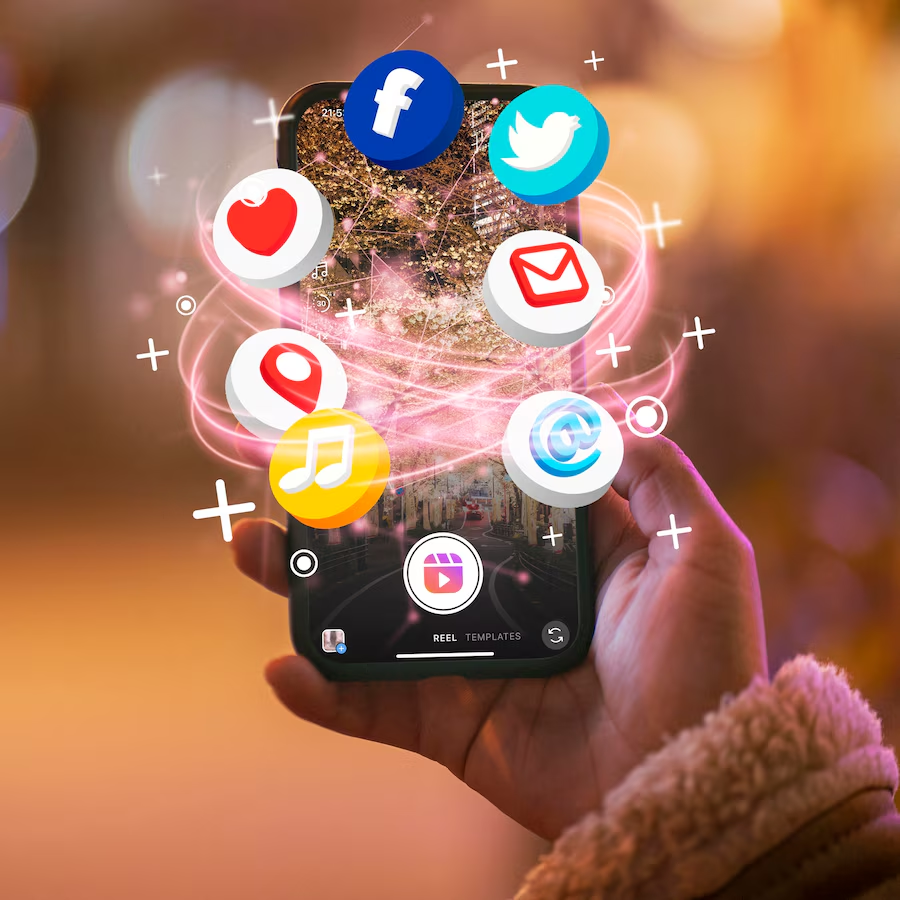
Social media is a powerful tool for building brand identity. Share engaging content that aligns with your brand’s personality and values. Content marketing, including blog posts, videos, and infographics, helps establish authority and strengthen brand credibility.

7. Monitor and Evolve Your Brand

Branding is not a one-time effort; it requires ongoing monitoring and adjustments. Regularly evaluate customer feedback, market trends, and competitors to ensure your brand remains relevant. Brands that evolve with changing consumer preferences stay ahead in the market.


Case Studies: Successful Brand Identities

1. Coca-Cola

Coca-Cola is one of the most recognizable brands globally. Its red-and-white logo, distinct typography, and emotional storytelling have helped create a strong and timeless brand identity. The brand consistently promotes happiness and togetherness in its messaging.

2. Apple

Apple’s branding focuses on simplicity, innovation, and premium quality. From its minimalist logo to sleek product designs, Apple has created a brand identity that appeals to tech-savvy and design-conscious consumers.

3. Nike

Nike’s “Just Do It” slogan and inspirational messaging have made it a leader in sports branding. Its strong visual identity, compelling advertisements, and endorsements from top athletes reinforce its brand image.


The Benefits of a Strong Brand Identity

1. Increased Customer Loyalty

A strong brand identity builds trust and loyalty. When customers connect with your brand values, they are more likely to remain loyal and recommend your business to others.

2. Competitive Advantage

A well-defined brand differentiates your business from competitors. It makes it easier for customers to recognize and choose your brand over others in the market.

3. Higher Perceived Value

Customers are willing to pay more for brands they trust and admire. A strong brand identity enhances perceived value, allowing businesses to charge premium prices.

4. Better Marketing Effectiveness

Consistent branding makes marketing efforts more effective. Whether through social media, advertising, or email campaigns, a strong brand identity ensures a cohesive and impactful message.


Conclusion

Building a strong brand identity is essential for long-term business success. It involves creating a clear purpose, designing a memorable visual identity, and maintaining consistent messaging across all channels. A well-established brand fosters trust, loyalty, and emotional connections with customers, ultimately leading to business growth.

At Lehotetsa Visuals, we specialize in branding strategies, logo design, and brand storytelling that help businesses create powerful identities. Whether you’re launching a new brand or refreshing an existing one, our team is here to bring your vision to life. Contact us today and let’s build a brand that stands the test of time! 🚀

2

Why Video Marketing is Essential for Business Growth

Introduction

Video marketing has become one of the most powerful tools for businesses looking to engage their audience, increase brand awareness, and drive sales. In today’s digital world, where consumers are bombarded with information, videos provide a dynamic and engaging way to communicate messages effectively. Whether it’s a short promotional clip, a brand story, or an educational video, businesses that leverage video marketing see higher engagement rates and greater customer retention.

With platforms like YouTube, Instagram, TikTok, and Facebook prioritizing video content, businesses that fail to incorporate video marketing into their strategy risk falling behind their competitors. This blog explores why video marketing is essential for business growth and how companies can use it to their advantage.


The Rise of Video Marketing

The way consumers consume content has dramatically shifted over the years. With the rise of smartphones and high-speed internet, video consumption has skyrocketed. Studies show that people prefer watching videos over reading text, and businesses that use video marketing experience 49% faster revenue growth than those that don’t.

Social media platforms have also recognized the power of video, with algorithms favoring video content over static images and text. Whether it’s YouTube tutorials, Instagram Reels, Facebook Live, or TikTok videos, businesses that utilize these platforms see increased engagement and brand visibility.


Why Video Marketing is Essential for Business Growth

1. Video Increases Engagement and Retention

Video content is more engaging than text or images alone. People are more likely to watch a video than read a long article, and they tend to remember the information presented in video format. Studies show that viewers retain 95% of a message when they watch it in a video compared to 10% when reading it in text. This makes video marketing an excellent tool for educating consumers and keeping them engaged.

2. Boosts Brand Awareness and Credibility

Videos allow businesses to showcase their brand personality, mission, and values in a more compelling way. A well-produced video can tell a story that connects with the audience emotionally, helping to establish trust and credibility. Whether it’s a behind-the-scenes look at your company, customer testimonials, or an explainer video, video content helps create a lasting impression.

3. Improves Search Engine Rankings

Google and other search engines prioritize video content. Websites with embedded videos are 53 times more likely to rank on the first page of search results. This means that businesses using video marketing can improve their SEO rankings and attract more organic traffic. Additionally, YouTube is the second-largest search engine in the world, making it a valuable platform for businesses looking to reach a wider audience.

4. Video Drives More Conversions and Sales

One of the biggest advantages of video marketing is its ability to drive sales. According to studies, 84% of consumers are convinced to buy a product after watching a video about it. Whether it’s a product demonstration, testimonial, or explainer video, video content helps potential customers make informed purchasing decisions.

5. Video Content is Versatile and Shareable

Videos can be repurposed and shared across multiple platforms, making them a cost-effective marketing tool. A single video can be used on a website, social media, email campaigns, and even paid ads. Additionally, users are more likely to share videos than any other type of content, which can help your business reach a larger audience.

6. Builds Stronger Connections with Customers

Video marketing allows businesses to connect with their audience on a personal level. Whether it’s through live videos, Q&A sessions, or customer testimonials, videos create a sense of authenticity and transparency. This helps foster trust and loyalty among customers.

7. Mobile Users Prefer Video Content

With more than 80% of internet users consuming content on mobile devices, video marketing is an ideal way to capture their attention. Mobile users prefer short, engaging videos that they can watch on the go. Businesses that optimize their video content for mobile viewing see higher engagement rates and conversions.

8. Video Ads Have Higher ROI

Compared to traditional advertising methods, video ads have a higher return on investment (ROI). Social media platforms like Facebook, Instagram, and YouTube offer targeted video ad options that allow businesses to reach their ideal customers. Video ads are more effective in capturing attention and converting leads into sales.


Types of Video Marketing for Businesses

1. Explainer Videos

Explainer videos help businesses showcase their products or services in a simple and engaging way. These videos highlight key features, benefits, and how a product solves a problem for the customer. They are highly effective for driving conversions.

2. Product Demonstrations

Product demo videos allow businesses to showcase how their product works and why it’s valuable. Seeing a product in action helps build trust and increases the likelihood of purchase.

3. Testimonial Videos

Customer testimonial videos build credibility and trust by showcasing real customer experiences. Potential buyers are more likely to trust a product or service when they see others endorsing it.

4. Live Videos

Live streaming has become an essential tool for businesses to engage with their audience in real time. Whether it’s a product launch, behind-the-scenes tour, or Q&A session, live videos create a sense of urgency and excitement.

5. Brand Story Videos

Storytelling is a powerful marketing tool. A brand story video shares the journey, mission, and values of a company, helping customers form an emotional connection with the brand.

6. Educational and How-To Videos

Educational videos provide valuable information to customers while positioning a business as an industry expert. These videos answer common questions and provide solutions to customer problems.

7. Social Media Video Content

Short-form videos on platforms like TikTok, Instagram Reels, and Facebook Stories help businesses reach a wider audience. These videos are designed to be fun, engaging, and shareable.

8. Animated Videos

Animated videos make complex topics easier to understand. They are particularly effective for explaining services, illustrating data, and engaging younger audiences.


How to Get Started with Video Marketing

  1. Define Your Goals – Determine what you want to achieve with video marketing, whether it’s brand awareness, lead generation, or customer engagement.
  2. Understand Your Audience – Research your target audience and create content that appeals to their interests and needs.
  3. Choose the Right Platforms – Decide where to distribute your videos, such as YouTube, Instagram, Facebook, or your website.
  4. Create High-Quality Content – Invest in good video production, including scriptwriting, editing, and visuals.
  5. Optimize for SEO – Use keywords, tags, and descriptions to improve search engine visibility.
  6. Promote and Share – Distribute your videos across different platforms and encourage engagement through comments and shares.
  7. Analyze Performance – Track video metrics such as views, engagement, and conversions to refine your strategy.

Conclusion

Video marketing is no longer optional—it’s a necessity for businesses looking to grow in today’s digital world. From increasing brand awareness and customer engagement to driving sales and improving SEO, the benefits of video marketing are undeniable. Businesses that embrace video content will have a competitive advantage and a stronger connection with their audience.

At Lehotetsa Visuals, we specialize in high-quality video production, animations, and social media video marketing to help businesses create impactful content. Contact us today and take your brand to the next level with professional video marketing! 🎥✨

hand-holding-smartphone-social-media-concept_23-2150208245

The Power of Social Media Marketing for Business Growth

Introduction

In today’s digital world, social media marketing is essential for businesses looking to connect with their audience, increase brand awareness, and drive sales. With billions of users on platforms like Facebook, Instagram, Twitter, LinkedIn, TikTok, and YouTube, businesses have endless opportunities to engage with their customers and build a loyal community. However, simply having a presence on social media is not enough. To maximize engagement and achieve real results, businesses need a well-thought-out strategy.

Engagement—likes, shares, comments, and overall interaction—is the key to success on social media. The more engagement your content receives, the more likely it is to reach a wider audience. But how can businesses create content that resonates with their audience and encourages interaction? In this blog, we’ll explore the most effective social media marketing strategies to help businesses boost engagement and achieve their marketing goals.


Understanding Social Media Engagement

Before diving into the strategies, it’s important to understand what social media engagement is and why it matters. Engagement refers to how users interact with your content through:

  • Likes and Reactions – A sign that people appreciate or enjoy your content.
  • Comments – Indicating that people are interested enough to start a conversation.
  • Shares and Retweets – Expanding your content’s reach by spreading it to new audiences.
  • Saves – Showing that users find your content valuable and want to return to it later.
  • Click-Through Rates (CTR) – Measuring how many people click on your links or calls to action.

High engagement signals to social media algorithms that your content is valuable, leading to greater visibility and reach.


Top Social Media Marketing Strategies for Maximum Engagement

1. Know Your Audience

Understanding your audience is the foundation of any successful social media marketing strategy. Conduct research to determine:

  • Who your target audience is (age, gender, location, interests).
  • Which social media platforms they use the most.
  • What type of content they engage with.

Use social media analytics tools like Facebook Insights, Instagram Analytics, and Twitter Analytics to track audience behavior and adjust your strategy accordingly.


2. Create High-Quality, Valuable Content

Content is king in social media marketing. If your posts don’t provide value, people won’t engage with them. Your content should be:

  • Educational – Share tips, how-to guides, or industry insights.
  • Entertaining – Use humor, storytelling, or interactive elements.
  • Inspirational – Post motivational quotes, success stories, or uplifting content.
  • Promotional – Highlight products or services without being overly sales-driven.

For example, if you run a fitness brand, share workout videos, nutrition tips, and customer success stories to keep your audience engaged.


3. Use Eye-Catching Visuals

Posts with high-quality images and videos receive significantly more engagement than text-only posts. Social media is a visual platform, and users are drawn to content that is visually appealing. Some best practices include:

  • Using bright, high-resolution images that align with your brand.
  • Creating short, engaging videos to capture attention.
  • Designing infographics to present data in an easy-to-understand way.
  • Adding GIFs and memes for a fun and relatable touch.

Canva, Adobe Spark, and InShot are great tools for creating visually compelling content.


4. Leverage Video Content

Video marketing is dominating social media, with platforms prioritizing video content in their algorithms. 85% of social media users prefer video content, making it a powerful tool for engagement. Types of video content to consider:

  • Live videos – Host Q&A sessions, product launches, or behind-the-scenes footage.
  • Short-form videos – Instagram Reels, TikTok videos, and YouTube Shorts.
  • Explainer videos – Demonstrate how your products or services work.
  • Storytelling videos – Share customer testimonials or brand success stories.

Live videos, in particular, see higher engagement as they create a sense of urgency and real-time interaction.


5. Post Consistently and at the Right Time

Consistency is key to building a loyal audience on social media. Posting regularly keeps your brand at the top of your followers’ minds. However, it’s also important to post at the right time when your audience is most active.

  • Facebook & Instagram – Best times: 8 AM – 10 AM, 12 PM – 1 PM, 7 PM – 9 PM
  • Twitter – Best times: 6 AM – 9 AM, 12 PM – 3 PM, 6 PM – 9 PM
  • LinkedIn – Best times: 7 AM – 9 AM, 12 PM – 2 PM
  • TikTok – Best times: 6 AM – 10 AM, 7 PM – 11 PM

Use scheduling tools like Buffer, Hootsuite, or Later to plan and automate posts.


6. Engage with Your Audience

Social media is a two-way conversation. If you want your audience to engage with your content, you need to engage with them as well. Best practices include:

  • Replying to comments and messages promptly.
  • Asking questions in your posts to encourage discussions.
  • Liking and sharing user-generated content to build community.
  • Running polls and quizzes to interact with your followers.

The more interactive you are, the stronger the connection you’ll build with your audience.


7. Use Hashtags Strategically

Hashtags help increase the visibility of your posts and attract new followers. However, using them incorrectly can reduce engagement. Best practices include:

  • Using relevant hashtags that match your content.
  • Mixing popular and niche hashtags (e.g., #SocialMediaMarketing + #MarketingTips).
  • Keeping it to 5-10 hashtags per post (too many can look spammy).

For example, if you’re promoting a fitness product, use hashtags like #FitnessGoals, #HealthyLifestyle, #WorkoutTips.


8. Collaborate with Influencers and Brands

Partnering with influencers can help you reach a larger audience. Influencer marketing is highly effective because people trust recommendations from real individuals more than traditional ads.

  • Work with micro-influencers (10K-50K followers) for authentic engagement.
  • Run giveaways and collaborations with brands in your industry.
  • Encourage influencers to create user-generated content about your brand.

Influencer marketing can significantly boost brand awareness and credibility.


9. Invest in Paid Advertising

Organic reach on social media has declined, making paid advertising essential for reaching a larger audience. Platforms like Facebook, Instagram, and LinkedIn offer targeted ad options to help businesses promote their content effectively.

  • Boost posts to increase engagement.
  • Run retargeting ads to reach users who interacted with your brand before.
  • Use lookalike audiences to target users similar to your existing customers.

A well-planned paid ad strategy can drive traffic, leads, and sales.


Conclusion

Social media marketing is one of the most powerful tools for businesses to grow their online presence and engage with their audience. By understanding your audience, creating high-quality content, leveraging video marketing, engaging with followers, and using paid advertising, you can maximize your social media engagement and build a strong brand.

At Lehotetsa Visuals, we specialize in helping businesses create impactful social media content and strategies. Whether you need video production, graphic design, or social media advertising, we’ve got you covered. Contact us today and take your social media marketing to the next level! 🚀✨

4

The Role of Graphic Design in Modern Advertising

Introduction

In today’s fast-paced digital world, businesses must fight for consumer attention in an overcrowded marketplace. Every day, people are exposed to thousands of advertisements across different platforms—social media, websites, billboards, television, and print media. So how do brands make a lasting impression? The answer lies in graphic design.

Graphic design is the visual communication tool that transforms ideas, messages, and concepts into compelling visuals that captivate and engage audiences. It plays a crucial role in modern advertising, influencing how people perceive brands and making advertisements more effective. From logo designs to social media ads, billboards, and packaging, graphic design is an essential element of every advertising campaign.

In this blog, we’ll explore the significance of graphic design in modern advertising, the key elements that make designs impactful, and how businesses can leverage design to enhance their marketing efforts.


The Importance of Graphic Design in Advertising

1. Creating a Strong First Impression

First impressions matter, especially in advertising. Studies show that people form opinions about a brand within seconds of seeing its advertisement. A well-designed ad with strong visuals, bold typography, and eye-catching colors immediately grabs attention and leaves a lasting impact.

Imagine scrolling through social media and coming across an ad with poor design—blurry images, mismatched colors, and cluttered text. You’re likely to ignore it. On the other hand, a professionally designed ad with clean, engaging visuals will make you stop and take notice. That’s the power of good graphic design—it ensures that your brand stands out in a crowded marketplace.


2. Enhancing Brand Identity and Recognition

Graphic design plays a key role in establishing and maintaining a brand’s identity. A company’s logo, color scheme, typography, and design elements should be consistent across all advertising materials to create a strong and recognizable brand presence.

For example, when you see the golden arches of McDonald’s, the swoosh of Nike, or the sleek simplicity of Apple’s ads, you instantly recognize the brand without needing to read a single word. This is because their visual identity has been carefully crafted and maintained through consistent graphic design across all platforms.

When businesses invest in professional graphic design, they create a cohesive brand identity that fosters trust and recognition among consumers.


3. Communicating Messages Effectively

Advertising is all about storytelling—convincing people to buy a product, sign up for a service, or take action. Graphic design helps tell that story visually, making complex messages easier to understand.

For example, an infographic can present statistics in an engaging and digestible way, while a poster with minimal text and a striking image can convey an emotional message instantly. A well-designed advertisement simplifies communication, ensuring that the brand’s message is clear and impactful.

By using the right colors, typography, and imagery, graphic design can evoke emotions, set a mood, and create a connection between the brand and its audience.


4. Boosting Engagement and Conversions

Effective graphic design doesn’t just make ads look good—it also drives engagement and sales. A well-crafted visual attracts more likes, shares, and comments on social media, increasing a brand’s reach and visibility.

For instance, Facebook and Instagram ads with high-quality graphics perform significantly better than those with plain text. Studies show that posts with visuals receive 650% more engagement than text-only posts. Well-designed ads also encourage users to click, sign up, or make a purchase, ultimately boosting conversions and sales.

In e-commerce, the design of product images, banners, and call-to-action buttons plays a major role in influencing buying decisions. If a brand’s website and advertisements are visually appealing, customers are more likely to trust the brand and complete a purchase.


Key Elements of Effective Graphic Design in Advertising

1. Color Psychology in Advertising

Colors evoke emotions and influence consumer behavior. Choosing the right color scheme can help brands communicate their message more effectively.

  • Red – Creates urgency, excitement, and passion (used in clearance sales and food branding).
  • Blue – Represents trust, professionalism, and calmness (popular among financial and tech companies).
  • Yellow – Grabs attention and evokes feelings of happiness and optimism (used in fun, youthful brands).
  • Black & White – Signify luxury, elegance, and simplicity (used in high-end fashion and luxury brands).

For example, Coca-Cola’s red branding stimulates energy and excitement, while Facebook’s blue theme conveys trust and reliability.


2. Typography and Readability

Typography (the choice of fonts and text arrangement) has a significant impact on how people perceive an ad. The font must be:

  • Easy to read – Simple and clean fonts work best.
  • Brand-appropriate – Elegant fonts for luxury brands, bold fonts for energetic brands.
  • Well-spaced – Avoid cluttered text that makes reading difficult.

For example, Nike uses bold typography to create a powerful and motivating effect, while high-end brands like Chanel use elegant serif fonts to maintain a sophisticated image.


3. The Power of Minimalism

In modern advertising, less is more. Clean, minimalist designs are more effective than cluttered visuals. Advertisements should focus on a single, clear message with enough white space to make the design stand out.

For example, Apple’s advertising is known for its simple yet powerful visuals, using clean designs with minimal text to highlight its products. This approach makes ads more visually appealing and impactful.


How Businesses Can Leverage Graphic Design for Advertising Success

1. Invest in Professional Design Services

Hiring a skilled graphic designer or creative agency ensures that advertisements are high-quality and visually appealing. Professional designers understand brand aesthetics, color psychology, and design principles, creating visuals that attract and engage audiences.

2. Use Consistent Branding Across All Platforms

A brand’s design elements should remain consistent across social media, websites, brochures, packaging, and advertisements. This consistency builds brand recognition and strengthens customer trust.

3. Optimize for Digital and Print Media

Advertising campaigns should be designed for both digital and print media. Social media ads, website banners, and email newsletters require different design approaches than billboards, brochures, and product packaging. Optimizing designs for each platform ensures maximum effectiveness.

4. Experiment with Visual Storytelling

Brands should explore creative design techniques such as motion graphics, animation, and interactive content to engage audiences. For example, a well-designed video ad with animated graphics can capture more attention than a static image.

5. Track and Analyze Performance

Brands should analyze engagement metrics, click-through rates, and conversion rates to determine which graphic designs perform best. Testing different ad formats, colors, and layouts can help optimize future campaigns.


Conclusion

Graphic design is a powerful tool that enhances advertising effectiveness by grabbing attention, building brand identity, and influencing consumer behavior. In the modern digital age, businesses must invest in high-quality design to stay ahead of the competition. Whether it’s a social media ad, a website banner, or a product package, good design can make the difference between being noticed or ignored.

At Lehotetsa Visuals, we specialize in crafting visually compelling advertisements that drive engagement and sales. From logo design to motion graphics, branding to digital ads, we bring creativity and strategy together for impactful results. Contact us today to take your brand’s advertising to the next level! 🚀🎨

Screenshot 2025-03-06 072603 (1)

How Animation Can Transform Your Brand’s Digital Presence

Introduction

In the digital age, brands must constantly find new ways to engage and captivate their audience. With attention spans getting shorter and competition increasing, businesses need dynamic and visually compelling content to stand out. One of the most powerful tools in digital marketing today is animation.

Animation is no longer just for entertainment—it has become a critical element in branding, advertising, and online engagement. From explainer videos and animated ads to motion graphics and interactive animations, businesses across all industries are leveraging animation to create memorable and effective digital experiences.

In this blog, we will explore how animation can enhance your brand’s digital presence, why it is so effective, and how your business can incorporate it into your marketing strategy.


The Power of Animation in Digital Marketing

1. Capturing and Retaining Attention

With an overwhelming amount of content on social media and websites, brands have just a few seconds to grab attention. Static images and plain text posts often get ignored, while animated content naturally draws the eye with movement and engaging visuals.

Studies show that people retain 95% of a message when watching a video compared to just 10% when reading text. Animation enhances this even further by making complex information visually appealing and easier to understand.

For example, brands like Nike and Coca-Cola use animated ads to create engaging stories that capture audience interest instantly. Whether it’s an animated logo, a short social media animation, or a full-length explainer video, animation makes content more memorable and impactful.


2. Simplifying Complex Ideas

One of the biggest challenges in digital marketing is explaining complex concepts quickly and effectively. Animation solves this problem by breaking down information into visually digestible pieces.

For instance, if you’re launching a new product or service, an animated explainer video can show how it works in a clear and engaging way. Instead of long paragraphs of text, a short animation can convey key benefits, demonstrate features, and tell a compelling story in just 60–90 seconds.

This is why many tech companies, healthcare providers, and financial institutions use animation to explain their services, making it easier for customers to understand their offerings.


3. Boosting Engagement and Social Media Reach

Social media platforms prioritize video content, making animation an excellent tool for boosting engagement and increasing visibility. Animated posts receive more likes, shares, and comments than static images or text-based posts.

Platforms like Instagram, TikTok, and Facebook are designed for visual storytelling, and animated content naturally stands out in crowded feeds. Brands that incorporate animation into their social media strategy see higher engagement rates and greater audience interaction.

For example, animated Instagram stories, GIFs, or short animated product demos can quickly capture interest and encourage users to engage with your brand.


4. Strengthening Brand Identity

A strong brand identity is essential for business success, and animation helps brands create a unique and recognizable visual style. By incorporating custom animations, animated logos, and branded motion graphics, businesses can establish a distinctive personality that sets them apart from competitors.

Think about brands like Google, which uses animated doodles to engage users, or Netflix, whose animated intro is instantly recognizable. Animation helps reinforce branding by maintaining a consistent and engaging visual experience across all digital platforms.

An animated logo, for example, adds life to a brand’s identity, making it more dynamic and memorable than a static logo. This can be used in social media intros, YouTube videos, and website headers to create a lasting impression.


5. Increasing Conversions and Sales

Animation has a direct impact on consumer behavior, leading to higher conversion rates and increased sales. Studies show that including an animated explainer video on a landing page can increase conversions by up to 80%.

This is because animation helps build trust and emotional connections with potential customers. A well-crafted animation can evoke emotions, tell a story, and persuade viewers to take action—whether it’s signing up for a service, making a purchase, or sharing content.

E-commerce brands, in particular, benefit from animated product videos that showcase how products work, key features, and customer benefits in a visually engaging way.


Types of Animation That Can Elevate Your Brand

1. Motion Graphics

Motion graphics are animated text, shapes, and illustrations used to create dynamic visual effects. These are commonly used in advertisements, social media posts, and website banners to add movement and enhance storytelling.

For example, a motion graphic video can transform a static presentation into an engaging experience by animating statistics, infographics, and key messages.


2. 2D and 3D Animation

2D animation is a popular style that involves creating characters and scenes in a two-dimensional space, while 3D animation adds depth and realism to visuals.

Many brands use 2D animation for explainer videos, storytelling, and educational content, while 3D animation is often used in high-end advertisements, product visualizations, and virtual experiences.

For example, a 3D product animation can give customers a 360-degree view of a product, making it feel more tangible and increasing purchase confidence.


3. Animated Logos

An animated logo adds movement to a brand’s identity, making it more engaging and memorable. This can be used in video intros, website headers, and social media content to reinforce brand recognition.

For example, brands like Intel and Disney have animated logos that create an instant connection with viewers, enhancing their brand’s digital presence.


4. GIFs and Micro-Animations

GIFs and micro-animations are short, looping animations that add excitement to content. These can be used in social media, email marketing, and websites to make interactions more engaging.

For instance, an e-commerce website might use animated “Add to Cart” buttons or a subtle animation when users hover over a product. These small touches improve the user experience and make brands feel more interactive.


5. Whiteboard Animation

Whiteboard animation is a style where drawings are created in real-time on a digital whiteboard, making it feel like a live explanation. This is ideal for educational content, tutorials, and storytelling.

Brands like TED-Ed use whiteboard animation to make complex topics more accessible and engaging for viewers.


How to Incorporate Animation Into Your Digital Strategy

1. Use Animated Content in Social Media Marketing

  • Create short, engaging animations for Instagram, Facebook, and TikTok.
  • Use GIFs and motion graphics to make posts more interactive.
  • Share animated explainer videos to showcase products and services.

2. Add Animation to Your Website and Ads

  • Include motion graphics on your homepage to grab attention.
  • Use animated banners and call-to-action buttons to boost conversions.
  • Add an animated logo intro to video content for brand consistency.

3. Leverage Animated Videos for Brand Storytelling

  • Use 2D or 3D animation to tell your brand’s story.
  • Create animated tutorials and product demos to educate customers.
  • Add whiteboard animations for informative and engaging content.

Conclusion

Animation is a game-changer for digital marketing, helping brands stand out, engage audiences, and increase conversions. Whether it’s through motion graphics, animated explainer videos, or interactive GIFs, animation brings a brand’s message to life in a way that is both compelling and memorable.

At Lehotetsa Visuals, we specialize in creating high-quality animations that elevate brand identity and digital presence. From animated ads to 3D product videos, we bring creativity and strategy together for maximum impact. Contact us today to transform your brand’s digital presence with the power of animation! 🎬✨

PoMd7C6VRrQCYxuMYQj3p8-1200-80

The Impact of Professional Photography on Brand Perception

Introduction

In today’s highly visual digital world, the quality of your brand’s imagery can make or break your business. Consumers are bombarded with content every day, and the brands that stand out are those that invest in high-quality, visually appealing images. Professional photography plays a crucial role in shaping brand perception, building trust, and driving engagement.

Whether you’re running an e-commerce store, a corporate business, or a personal brand, the images you use represent your identity. Poor-quality, blurry, or generic stock photos can make your brand appear unprofessional, while high-quality professional images can create a strong, lasting impression.

In this blog, we will explore the importance of professional photography in branding, how it influences consumer perception, and the benefits it brings to businesses in different industries.


Why Professional Photography Matters for Branding

1. First Impressions Matter

The saying “a picture is worth a thousand words” has never been more relevant than in branding. When potential customers visit your website, social media, or marketing materials, the first thing they notice is the visuals.

Research shows that people form an opinion about a brand within 50 milliseconds based on its visual presentation. If your brand’s images look high-quality, polished, and professional, people will associate your business with credibility and trustworthiness.

On the other hand, if your images are low-resolution, poorly lit, or unappealing, potential customers might assume your products or services lack quality, even if that’s not the case. Investing in professional photography ensures you make a positive first impression every time.


2. Builds Trust and Credibility

Trust is one of the most critical factors in a customer’s decision-making process. High-quality images create a sense of transparency and authenticity, making customers feel more confident about your brand.

For example, in e-commerce, professional product photography helps customers see details clearly, giving them confidence in their purchase decisions. Studies show that 75% of online shoppers rely on product images when deciding whether to buy. Poor-quality photos can lead to doubt and hesitation, reducing conversion rates.

In the corporate world, professional team photos and office images can humanize your brand, making it more approachable. Consumers are more likely to trust a business that showcases real, high-quality images of its team rather than stock photos.


3. Enhances Brand Identity and Storytelling

Photography is a powerful tool for telling your brand’s story. Every image you use should reflect your brand’s personality, values, and mission. Professional photographers understand how to capture the right mood, lighting, and composition to align with your brand identity.

For example, luxury brands like Chanel and Rolex use high-end, professionally shot images to reinforce exclusivity and elegance. In contrast, brands like Nike and Adidas use dynamic, action-packed images to convey energy and performance.

A strong brand identity is built through consistent visual storytelling. Whether it’s product photography, lifestyle images, or behind-the-scenes shots, professional photography helps communicate your brand’s essence to your audience.


4. Boosts Engagement on Social Media

Social media platforms are highly visual, and brands that use professional, eye-catching images see higher engagement rates. According to research, posts with high-quality images receive 94% more views than those with low-quality visuals.

Instagram, Facebook, LinkedIn, and Pinterest all prioritize visually appealing content. Professional photography makes your posts more shareable, memorable, and engaging, helping you stand out in crowded feeds.

For instance, restaurants and cafes that post high-quality images of their dishes see a higher number of likes, shares, and customer visits. Similarly, fashion brands that showcase professional lifestyle photography generate more interest and sales compared to brands that rely on poorly lit or amateur photos.


5. Improves Website Conversion Rates

Your website is often the first touchpoint for potential customers. A well-designed website with high-resolution, professional images creates a seamless and immersive experience.

Professional photography enhances:

  • Landing pages: High-quality hero images immediately grab attention and encourage visitors to explore further.
  • Product pages: Clear, detailed, and aesthetically pleasing product images increase purchase confidence.
  • About Us pages: Professional team photos add a human touch, building trust with potential clients.

Businesses that invest in professional website photography see higher engagement, lower bounce rates, and increased conversions.


Types of Professional Photography That Elevate Brands

1. Product Photography

For e-commerce and retail brands, product photography is essential for showcasing items in the best light. Professional photographers use proper lighting, angles, and editing techniques to highlight product details and create appealing visuals.

High-quality product photography leads to higher sales, fewer returns, and better customer satisfaction.


2. Corporate Photography

Corporate photography includes headshots, team photos, office spaces, and corporate events. These images help build a professional and approachable brand image.

Companies that display authentic team photos instead of stock images build stronger connections and credibility with their audience.


3. Lifestyle Photography

Lifestyle photography captures real-life scenarios featuring your products or services. These images help customers visualize how your brand fits into their lives.

For example, fashion brands use lifestyle photography to showcase clothing worn in real-world settings, making products more relatable.


4. Event Photography

Event photography captures company events, product launches, and conferences, providing valuable content for marketing and PR. High-quality event photos can be used in press releases, blogs, and social media updates to showcase brand success.


5. Aerial Photography

Aerial photography, captured using drones, is increasingly popular for real estate, tourism, and large-scale businesses. It provides a unique perspective, making brands stand out.

Real estate agencies, for example, use aerial photography to showcase properties from an impressive angle, attracting more buyers.


How to Incorporate Professional Photography Into Your Brand Strategy

1. Invest in a Professional Photographer

Hiring a skilled photographer ensures high-quality results that align with your brand identity. Choose a photographer with experience in your industry to get the best outcomes.


2. Maintain Consistency Across All Platforms

Ensure that your website, social media, print materials, and advertisements use a consistent photographic style, color scheme, and mood. This strengthens brand identity.


3. Use High-Quality Images in Marketing Materials

Your brochures, banners, business cards, and advertisements should all feature professional imagery to maintain a strong and credible brand presence.


4. Optimize Images for SEO

Use descriptive file names, alt text, and image compression to improve your website’s search rankings and loading speed. This helps with visibility on search engines.


Conclusion

Professional photography is a powerful branding tool that enhances trust, credibility, and engagement. High-quality images create a strong first impression, boost social media performance, and increase website conversions.

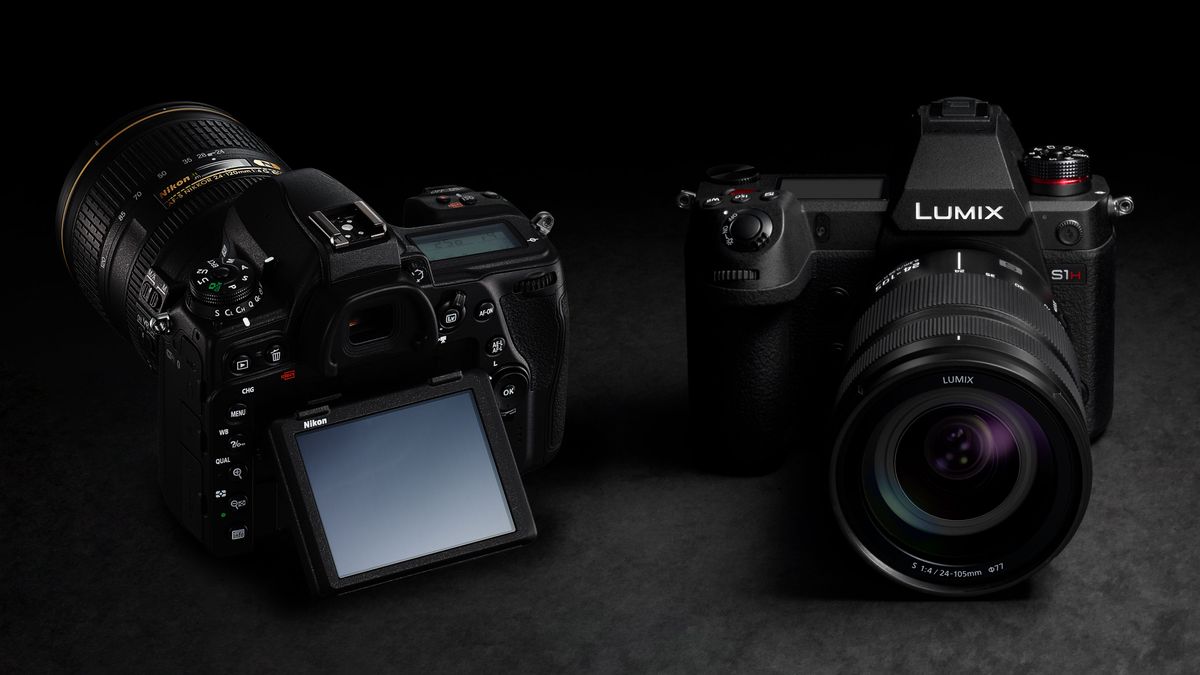
Whether you’re a small business, e-commerce brand, or corporate company, investing in professional photography is one of the best ways to elevate your brand’s digital presence. At Lehotetsa Visuals, we specialize in creating stunning, high-quality photography that aligns with your brand’s vision. Contact us today to bring your brand to life through professional imagery! 📸✨

WhatsApp Image 2025-03-13 at 8.36.12 AM

Web Development Trends: What Makes a Website Stand Out in 2025?

Introduction

The digital landscape is constantly evolving, and web development is at the forefront of innovation. In 2025, businesses that want to stay competitive must adapt to the latest trends that enhance user experience, security, and performance. A website is no longer just an online presence; it is a powerful tool that influences customer perception, engagement, and conversions.

With advancements in AI, voice search, Web3, and immersive experiences, businesses must ensure their websites are visually appealing, fast, secure, and user-friendly. In this blog, we will explore the top web development trends that will define successful websites in 2025.


1. AI-Powered Websites and Chatbots

Artificial Intelligence (AI) is revolutionizing web development, making websites smarter and more interactive. AI-driven websites analyze user behavior, preferences, and engagement patterns to offer personalized experiences.

One of the most significant AI integrations is chatbots. These virtual assistants provide real-time customer support, answer queries, and guide users through the website. Advanced AI chatbots use Natural Language Processing (NLP) to understand and respond intelligently, improving user satisfaction.

For e-commerce businesses, AI-powered recommendations help increase conversions by suggesting relevant products based on browsing history. AI also enhances website security by detecting and preventing cyber threats in real-time.


2. Voice Search Optimization

With the rise of smart assistants like Siri, Alexa, and Google Assistant, voice search is becoming a dominant search method. In 2025, optimizing websites for voice search will be crucial for improving search rankings and user experience.

Voice search queries are often longer and more conversational than text-based searches. To adapt, businesses must focus on natural language keywords, structured data, and FAQ-style content. Websites that are voice-search optimized will rank higher on Google and attract more organic traffic.

For local businesses, voice search is especially important as people frequently use voice commands to find nearby stores, restaurants, and services.


3. Web3 and Decentralized Technologies

Web3 is transforming the internet by shifting from centralized control to decentralized networks powered by blockchain. In 2025, businesses will start integrating Web3 technologies to improve security, transparency, and user privacy.

Some key Web3 elements include:

  • Decentralized Applications (dApps): Websites that operate without central servers, reducing risks of hacking and data breaches.
  • Blockchain-Based Authentication: Secure login methods without relying on traditional passwords, improving security.
  • NFT Integration: Digital assets, such as NFTs, will be used for authentication, ownership verification, and digital memberships.

Brands that embrace Web3 will appeal to tech-savvy consumers who value privacy, security, and decentralization.


4. Ultra-Fast Websites with Web Performance Optimization

Speed is a critical ranking factor and a major determinant of user experience. In 2025, websites must load within seconds to prevent users from bouncing.

Several technologies are enhancing website speed, including:

  • CDNs (Content Delivery Networks): Distributing website content across global servers to reduce loading time.
  • Lazy Loading: Only loading content when it’s needed, improving performance.
  • WebP and AVIF Image Formats: Next-gen image formats that reduce file sizes without sacrificing quality.

Google’s Core Web Vitals will continue to impact rankings, so optimizing for Largest Contentful Paint (LCP), First Input Delay (FID), and Cumulative Layout Shift (CLS) will be essential.


5. Progressive Web Apps (PWAs)

Progressive Web Apps (PWAs) offer the best of both worlds—combining the functionality of a mobile app with the accessibility of a website. In 2025, more businesses will adopt PWAs to provide seamless user experiences across devices.

Key benefits of PWAs include:

  • Fast loading speeds (even on slow connections)
  • Offline functionality (users can access content without internet)
  • App-like interface without needing to download an app
  • Push notifications to engage users

Brands like Twitter, Starbucks, and Uber already use PWAs to enhance user experience and engagement.


6. Dark Mode and Minimalist Design

Dark mode has become increasingly popular due to its aesthetic appeal, reduced eye strain, and battery efficiency. Websites in 2025 will offer dark mode options, allowing users to switch between light and dark themes.

In addition, minimalist design will dominate. Websites will focus on:

  • Clean layouts with ample white space
  • Simple navigation for better user experience
  • High-contrast typography for readability

Minimalist designs create faster websites, improve usability, and keep users focused on important content.


7. Interactive and Immersive Web Experiences

Users in 2025 expect engaging, dynamic, and interactive web experiences. Websites will incorporate animations, micro-interactions, and 3D elements to keep visitors engaged.

Examples of interactive elements include:

  • Hover effects and scroll-based animations
  • 360-degree product previews for e-commerce
  • Augmented Reality (AR) features for virtual try-ons

Immersive experiences help increase dwell time, improve user engagement, and boost conversions.


8. Cybersecurity and Data Privacy

As cyber threats continue to rise, websites in 2025 must prioritize security to protect user data. Key cybersecurity trends include:

  • Biometric Authentication: Using fingerprint and facial recognition for secure logins.
  • Zero-Trust Architecture: Verifying every request before granting access.
  • AI-Based Threat Detection: Identifying and preventing cyber attacks in real time.

With stricter data protection laws, businesses must encrypt sensitive information, implement SSL certificates, and follow GDPR compliance.


9. API-First Development and Headless CMS

Traditional websites are being replaced by API-first development, allowing seamless integration with multiple platforms. A Headless CMS (Content Management System) separates the back-end from the front-end, making websites more flexible.

Benefits of API-first development include:

  • Faster website updates and integrations
  • Better cross-platform compatibility (e.g., mobile apps, IoT devices)
  • Scalability for future technologies

Businesses that use API-driven development will have more adaptable and efficient websites.


10. Sustainability and Green Web Hosting

As climate concerns grow, websites must be environmentally friendly. Green web hosting providers use renewable energy sources and optimize server efficiency to reduce carbon footprints.

Sustainable web design focuses on:

  • Efficient coding to reduce energy consumption
  • Optimized images and videos for faster loading times
  • Eco-friendly hosting providers

Brands that adopt sustainable practices will attract eco-conscious customers and improve their corporate reputation.


Conclusion

Web development in 2025 is about speed, security, personalization, and immersive experiences. Businesses that embrace AI, Web3, voice search, and interactive design will stand out in the digital space.

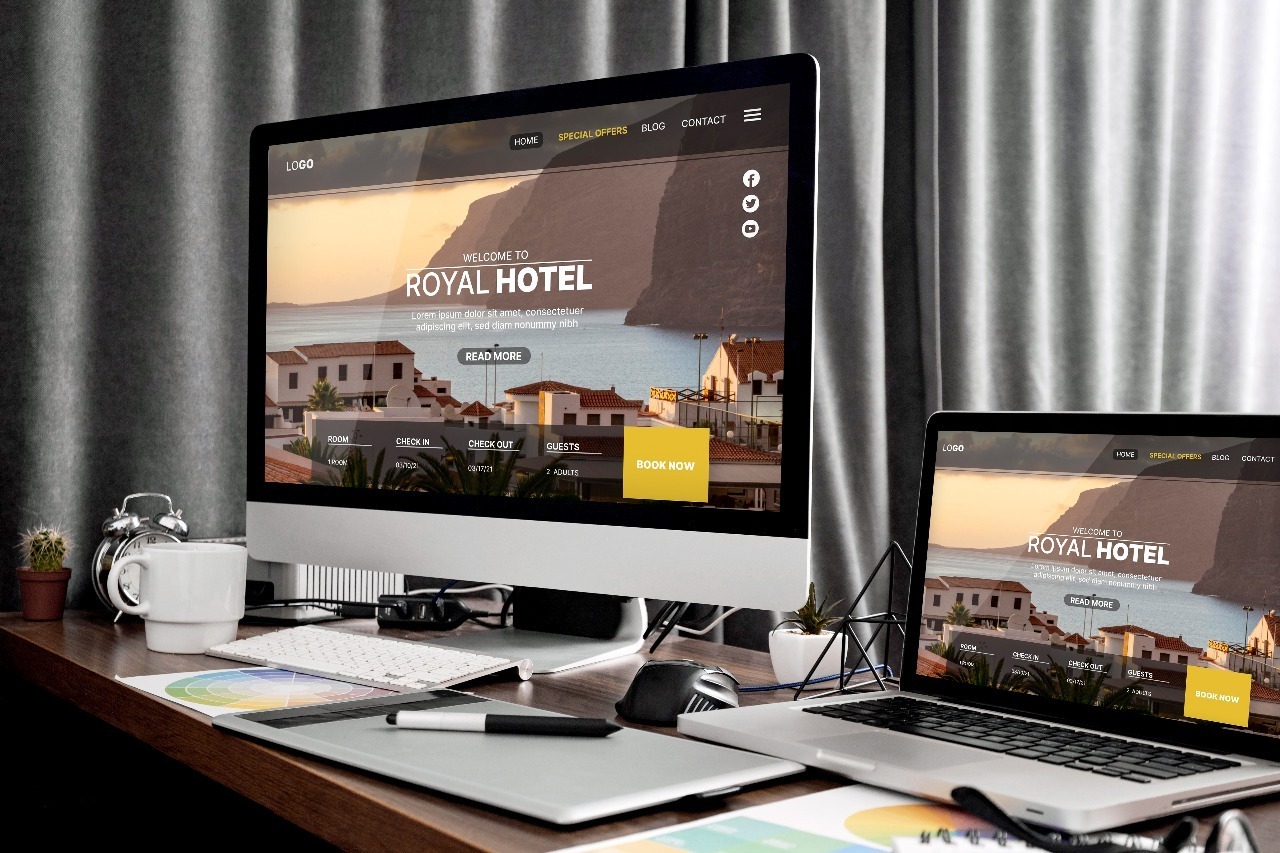
If you want your website to be future-proof and ahead of the competition, Lehotetsa Visuals specializes in cutting-edge web development that enhances user experience and performance. Contact us today to build a modern, fast, and engaging website that keeps your business ahead in 2025! 🚀💻

8

How Print Media Still Plays a Vital Role in Advertising

Introduction

In today’s digital age, where online advertising dominates, many believe that print media is dying. However, despite the rise of social media, digital billboards, and programmatic advertising, print media remains relevant. From newspapers and magazines to brochures and billboards, print advertising continues to play a vital role in marketing strategies worldwide.

Print media offers something tangible, credible, and long-lasting, unlike digital ads that can be ignored, blocked, or scrolled past. In this blog, we will explore the enduring power of print media, its advantages, and why businesses should still invest in print advertising.


1. The Tangibility and Credibility of Print Media

One of the key advantages of print media is its physical presence. Unlike digital ads that disappear with a click, printed materials remain in consumers’ hands. A well-designed brochure, magazine, or newspaper provides a sense of credibility and authority that digital content often lacks.

Readers tend to trust print publications more than online sources. Research shows that printed advertisements are perceived as more legitimate, less intrusive, and more memorable. With rising concerns about fake news and online misinformation, print media provides a trustworthy advertising platform.

Companies that want to establish brand credibility and long-term recall still rely on print advertising to reach audiences effectively.


2. Print Media Creates a Stronger Emotional Connection

Print media engages multiple senses, making advertisements more memorable and impactful. Holding a physical magazine, flipping through a well-designed catalog, or seeing a billboard in a familiar location creates a deeper connection compared to fleeting online ads.

Studies show that people retain information better when they read it in print rather than on screens. The tactile experience of print makes the message more personal and immersive, leading to stronger brand recall and consumer trust.

Luxury brands, in particular, leverage high-quality print advertisements in premium magazines to create an emotional and aspirational connection with their audience.


3. Print Advertising is Less Distracting

In a world of constant notifications, pop-ups, and banner ads, digital advertising often overwhelms consumers. Online users are bombarded with endless distractions, making it difficult for brands to capture attention.

Print media, on the other hand, provides a focused and distraction-free experience. Readers engaging with newspapers, magazines, or direct mail advertisements tend to spend more time absorbing content without digital interruptions.

Since print ads do not compete with multiple tabs or notifications, they offer a less cluttered, more engaging advertising platform. Businesses that use print media benefit from higher consumer engagement and longer attention spans.


4. Print Media Complements Digital Marketing

Rather than replacing digital marketing, print media serves as an effective complement to online strategies. Brands that integrate print and digital advertising create a multi-channel marketing approach that maximizes reach and engagement.

For example:

  • QR codes in magazines lead readers to interactive online content.
  • Print coupons and catalogs drive customers to e-commerce websites.
  • Billboards and posters reinforce online campaigns by increasing brand visibility.

This cross-channel marketing approach ensures businesses reach both digital and traditional audiences, maximizing their advertising impact.


5. Local and Targeted Reach

Print media is particularly effective for local businesses and niche markets. Unlike online ads, which often target broad global audiences, print advertising allows businesses to reach specific demographics within a defined geographical area.

For example:

  • Community newspapers help small businesses attract local customers.
  • Industry-specific magazines reach niche audiences in sectors like fashion, finance, or technology.
  • Event posters and flyers effectively target local communities.

By leveraging print media, businesses can reach the right audience at the right time, increasing their chances of customer engagement and conversion.


6. Billboards and Outdoor Advertising Make a Lasting Impact

Billboards, posters, and transit advertising remain powerful marketing tools in 2025. Unlike digital ads that disappear in seconds, outdoor advertisements are always visible to people commuting, walking, or driving.

Studies show that large-format print advertisements generate higher recall rates because they provide repeated exposure over time. A well-placed billboard on a busy highway or in a city center can reach thousands of people daily.

Businesses that invest in strategic outdoor advertising benefit from high visibility, strong brand awareness, and long-term engagement.


7. Direct Mail Marketing Still Works

Despite the popularity of email marketing, direct mail campaigns continue to drive high response rates. Consumers are bombarded with hundreds of emails daily, making it easy for promotional messages to get lost in inboxes.

Direct mail, however, offers a more personal and engaging experience. When consumers receive customized brochures, postcards, or catalogs, they are more likely to open, read, and respond compared to digital emails.

Research shows that direct mail response rates are higher than email marketing, making it a valuable tool for customer acquisition and retention.


8. Print Advertising Has a Longer Lifespan

Unlike digital ads that disappear after a few seconds, print advertisements have a longer lifespan. A magazine ad can be read multiple times, a billboard remains visible for weeks, and a business card can stay in a customer’s wallet for months.

Print materials often get passed around, expanding their reach beyond the original recipient. A well-designed brochure or flyer left at a coffee shop, salon, or hotel lobby can continue to attract potential customers long after distribution.

Businesses that invest in high-quality print materials benefit from extended visibility and brand recognition.


9. Print Advertising is More Trusted Than Digital Ads

Consumers often ignore or distrust digital ads due to online fraud, spam, and misleading clickbait. In contrast, print ads are perceived as more authentic, trustworthy, and less intrusive.

Surveys indicate that people trust newspaper and magazine ads more than online pop-ups or social media promotions. Businesses that use print media enhance their brand’s credibility, making it easier to attract loyal and high-value customers.

By maintaining a strong print presence, companies establish themselves as reliable and authoritative in their industries.


10. The Future of Print Advertising in a Digital World

As technology evolves, print media continues to adapt and innovate. The future of print advertising includes:

  • Augmented Reality (AR) in magazines, allowing users to scan ads and access digital content.
  • Interactive print materials with QR codes and NFC (Near Field Communication) tags.
  • Personalized printing using AI to tailor content to specific audiences.

Rather than being replaced by digital marketing, print media is evolving to work alongside it, offering businesses the best of both worlds.


Conclusion

Print media remains a powerful and essential advertising tool in 2025. Its tangible nature, credibility, and lasting impact make it a valuable complement to digital marketing. Businesses that leverage newspaper ads, magazines, billboards, and direct mail will continue to reach engaged audiences and boost brand recognition.

At Lehotetsa Visuals, we specialize in high-quality print advertising solutions, helping businesses stand out in an ever-changing market. Whether you need brochures, posters, billboards, or magazines, we bring your vision to life with impactful and creative print media. Contact us today to elevate your brand with effective print advertising! 🎨📰🚀