
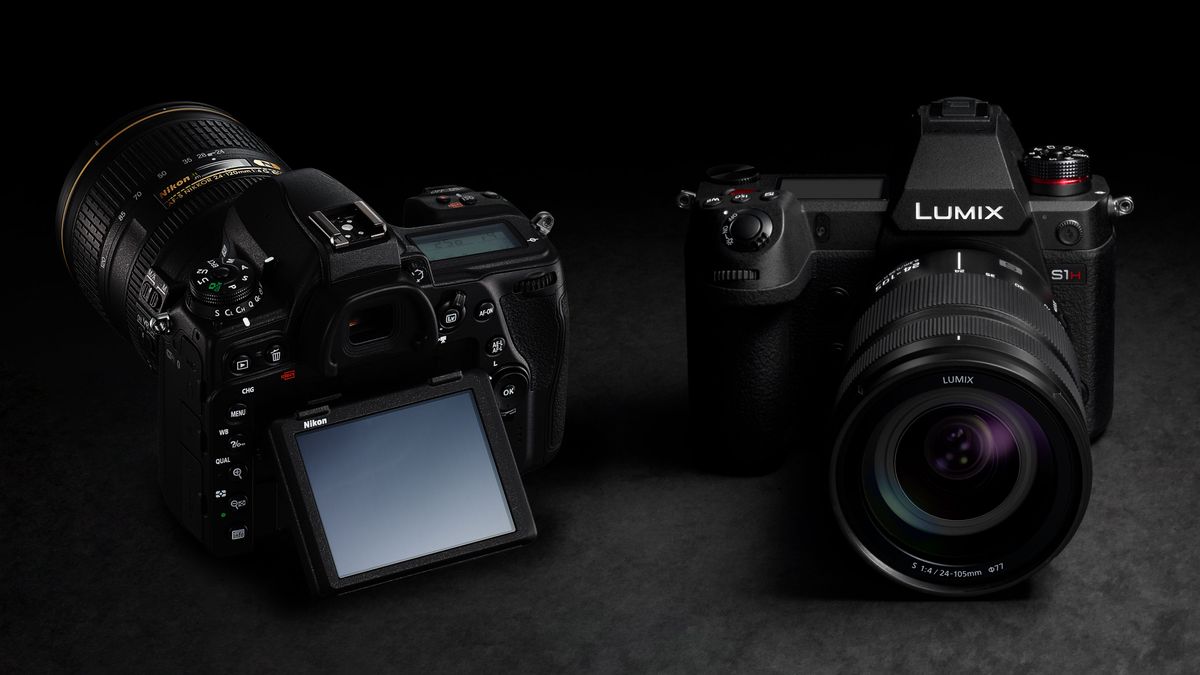
Introduction
In today’s highly visual digital world, the quality of your brand’s imagery can make or break your business. Consumers are bombarded with content every day, and the brands that stand out are those that invest in high-quality, visually appealing images. Professional photography plays a crucial role in shaping brand perception, building trust, and driving engagement.
Whether you’re running an e-commerce store, a corporate business, or a personal brand, the images you use represent your identity. Poor-quality, blurry, or generic stock photos can make your brand appear unprofessional, while high-quality professional images can create a strong, lasting impression.
In this blog, we will explore the importance of professional photography in branding, how it influences consumer perception, and the benefits it brings to businesses in different industries.
Why Professional Photography Matters for Branding
1. First Impressions Matter
The saying “a picture is worth a thousand words” has never been more relevant than in branding. When potential customers visit your website, social media, or marketing materials, the first thing they notice is the visuals.
Research shows that people form an opinion about a brand within 50 milliseconds based on its visual presentation. If your brand’s images look high-quality, polished, and professional, people will associate your business with credibility and trustworthiness.
On the other hand, if your images are low-resolution, poorly lit, or unappealing, potential customers might assume your products or services lack quality, even if that’s not the case. Investing in professional photography ensures you make a positive first impression every time.
2. Builds Trust and Credibility
Trust is one of the most critical factors in a customer’s decision-making process. High-quality images create a sense of transparency and authenticity, making customers feel more confident about your brand.
For example, in e-commerce, professional product photography helps customers see details clearly, giving them confidence in their purchase decisions. Studies show that 75% of online shoppers rely on product images when deciding whether to buy. Poor-quality photos can lead to doubt and hesitation, reducing conversion rates.
In the corporate world, professional team photos and office images can humanize your brand, making it more approachable. Consumers are more likely to trust a business that showcases real, high-quality images of its team rather than stock photos.
3. Enhances Brand Identity and Storytelling
Photography is a powerful tool for telling your brand’s story. Every image you use should reflect your brand’s personality, values, and mission. Professional photographers understand how to capture the right mood, lighting, and composition to align with your brand identity.
For example, luxury brands like Chanel and Rolex use high-end, professionally shot images to reinforce exclusivity and elegance. In contrast, brands like Nike and Adidas use dynamic, action-packed images to convey energy and performance.
A strong brand identity is built through consistent visual storytelling. Whether it’s product photography, lifestyle images, or behind-the-scenes shots, professional photography helps communicate your brand’s essence to your audience.
4. Boosts Engagement on Social Media
Social media platforms are highly visual, and brands that use professional, eye-catching images see higher engagement rates. According to research, posts with high-quality images receive 94% more views than those with low-quality visuals.
Instagram, Facebook, LinkedIn, and Pinterest all prioritize visually appealing content. Professional photography makes your posts more shareable, memorable, and engaging, helping you stand out in crowded feeds.
For instance, restaurants and cafes that post high-quality images of their dishes see a higher number of likes, shares, and customer visits. Similarly, fashion brands that showcase professional lifestyle photography generate more interest and sales compared to brands that rely on poorly lit or amateur photos.
5. Improves Website Conversion Rates
Your website is often the first touchpoint for potential customers. A well-designed website with high-resolution, professional images creates a seamless and immersive experience.
Professional photography enhances:
- Landing pages: High-quality hero images immediately grab attention and encourage visitors to explore further.
- Product pages: Clear, detailed, and aesthetically pleasing product images increase purchase confidence.
- About Us pages: Professional team photos add a human touch, building trust with potential clients.
Businesses that invest in professional website photography see higher engagement, lower bounce rates, and increased conversions.
Types of Professional Photography That Elevate Brands
1. Product Photography
For e-commerce and retail brands, product photography is essential for showcasing items in the best light. Professional photographers use proper lighting, angles, and editing techniques to highlight product details and create appealing visuals.
High-quality product photography leads to higher sales, fewer returns, and better customer satisfaction.
2. Corporate Photography
Corporate photography includes headshots, team photos, office spaces, and corporate events. These images help build a professional and approachable brand image.
Companies that display authentic team photos instead of stock images build stronger connections and credibility with their audience.
3. Lifestyle Photography
Lifestyle photography captures real-life scenarios featuring your products or services. These images help customers visualize how your brand fits into their lives.
For example, fashion brands use lifestyle photography to showcase clothing worn in real-world settings, making products more relatable.
4. Event Photography
Event photography captures company events, product launches, and conferences, providing valuable content for marketing and PR. High-quality event photos can be used in press releases, blogs, and social media updates to showcase brand success.
5. Aerial Photography
Aerial photography, captured using drones, is increasingly popular for real estate, tourism, and large-scale businesses. It provides a unique perspective, making brands stand out.
Real estate agencies, for example, use aerial photography to showcase properties from an impressive angle, attracting more buyers.
How to Incorporate Professional Photography Into Your Brand Strategy
1. Invest in a Professional Photographer
Hiring a skilled photographer ensures high-quality results that align with your brand identity. Choose a photographer with experience in your industry to get the best outcomes.
2. Maintain Consistency Across All Platforms
Ensure that your website, social media, print materials, and advertisements use a consistent photographic style, color scheme, and mood. This strengthens brand identity.
3. Use High-Quality Images in Marketing Materials
Your brochures, banners, business cards, and advertisements should all feature professional imagery to maintain a strong and credible brand presence.
4. Optimize Images for SEO
Use descriptive file names, alt text, and image compression to improve your website’s search rankings and loading speed. This helps with visibility on search engines.
Conclusion
Professional photography is a powerful branding tool that enhances trust, credibility, and engagement. High-quality images create a strong first impression, boost social media performance, and increase website conversions.
Whether you’re a small business, e-commerce brand, or corporate company, investing in professional photography is one of the best ways to elevate your brand’s digital presence. At Lehotetsa Visuals, we specialize in creating stunning, high-quality photography that aligns with your brand’s vision. Contact us today to bring your brand to life through professional imagery! 📸✨
Add a Comment